-
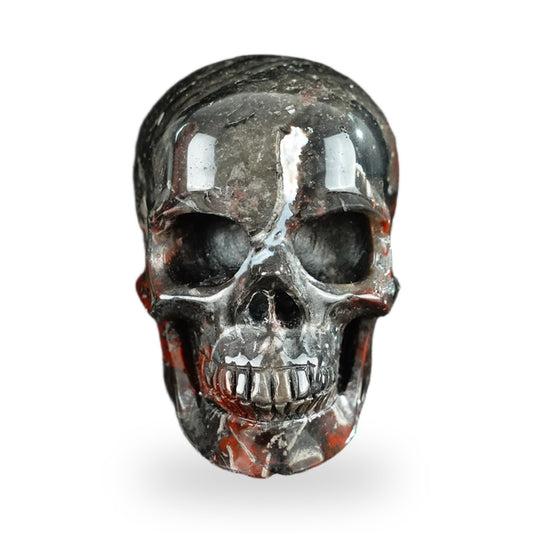
2.2" Dragon Blood Jasper Hand Carved Crystal Realistic Skull
Regular price $38.00 USDRegular priceUnit price per -
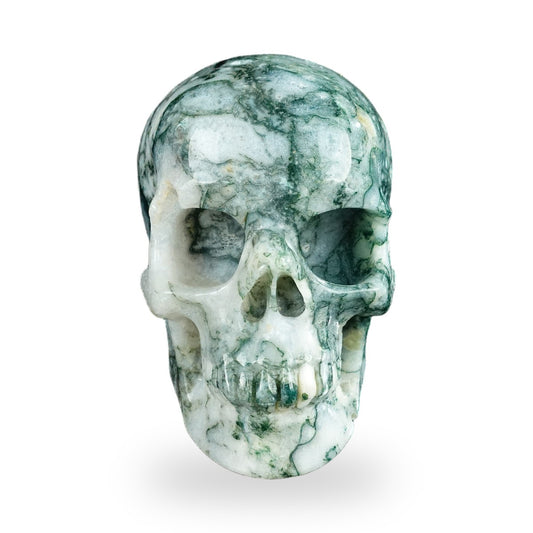
4.5" Moss Agate Hand Carved Crystal Realistic Skull
Regular price $200.00 USDRegular priceUnit price per -
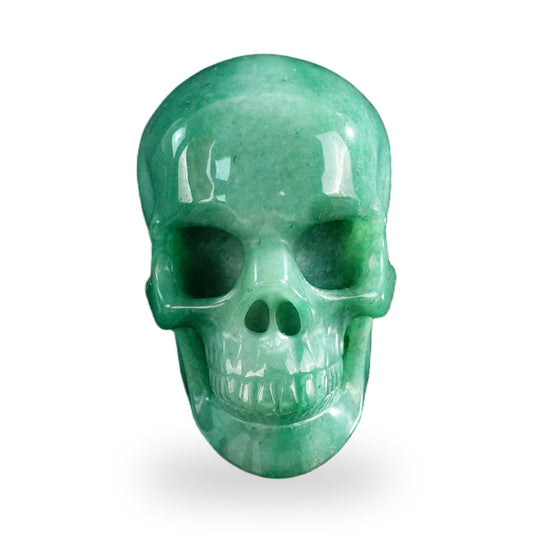
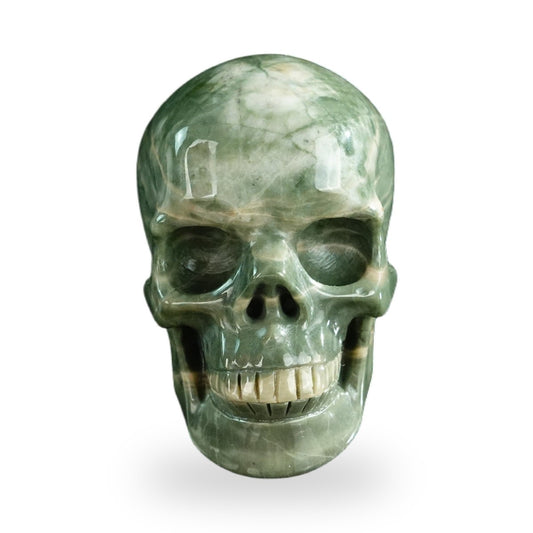
3" Green Aventurine Hand Carved Crystal Realistic Skull
Regular price $83.00 USDRegular priceUnit price per -
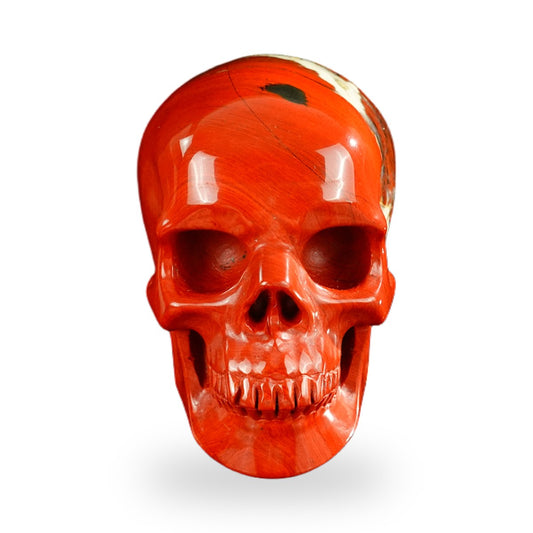
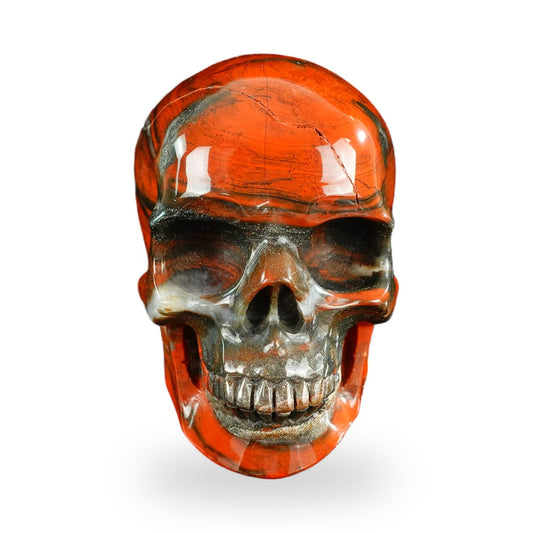
3" Red Jasper Hand Carved Crystal Realistic Skull
Regular price From $83.00 USDRegular priceUnit price per -
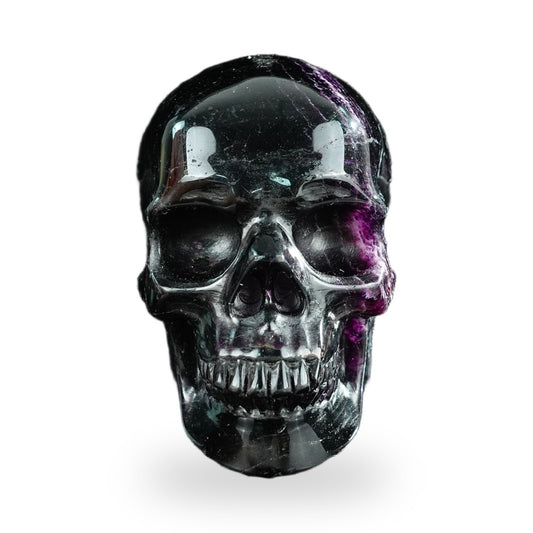
4.5" Rainbow Fluorite Hand Carved Crystal Realistic Skull
Regular price $150.00 USDRegular priceUnit price per -
3" Nine Dragon Jade Hand Carved Crystal Realistic Skull
Regular price $75.00 USDRegular priceUnit price per -
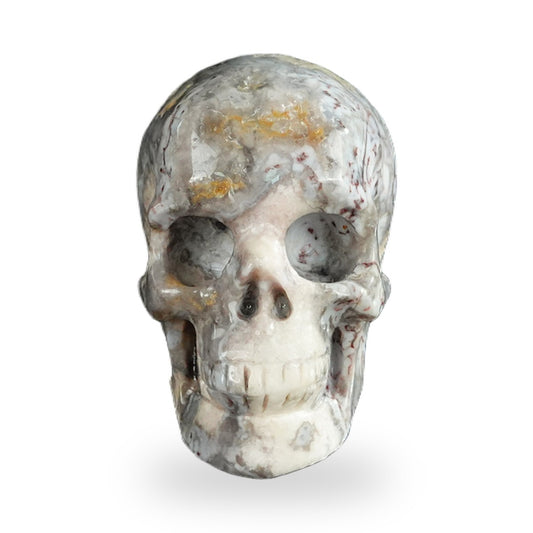
2.2" Red Crazy Lace Agate Hand Carved Crystal Realistic Skull
Regular price $50.00 USDRegular priceUnit price per -
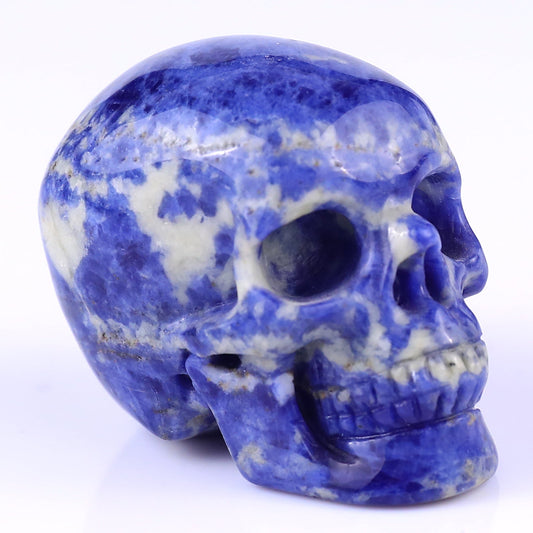
2.2" Sodalite Hand Carved Crystal Realistic Skull | No.001
Regular price $38.00 USDRegular priceUnit price per -
2.2" Blue Flower Agate Hand Carved Crystal Realistic Skull
Regular price $50.00 USDRegular priceUnit price per -
4.5" Red Jasper Hand Carved Crystal Realistic Skull
Regular price $167.00 USDRegular priceUnit price per -
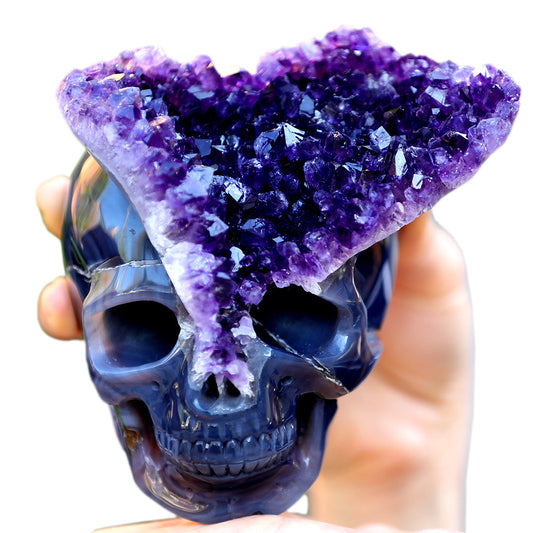
4.8" Amethyst Cluster Human Skull Carving
Regular price $381.65 USDRegular priceUnit price per -
2.8" Sakura Agate Hand Carved Realistic Skull
Regular price $67.96 USDRegular priceUnit price per -
3.0" Blue Chalcedony Hand Carved Realistic Skull
Regular price $92.65 USDRegular priceUnit price per -
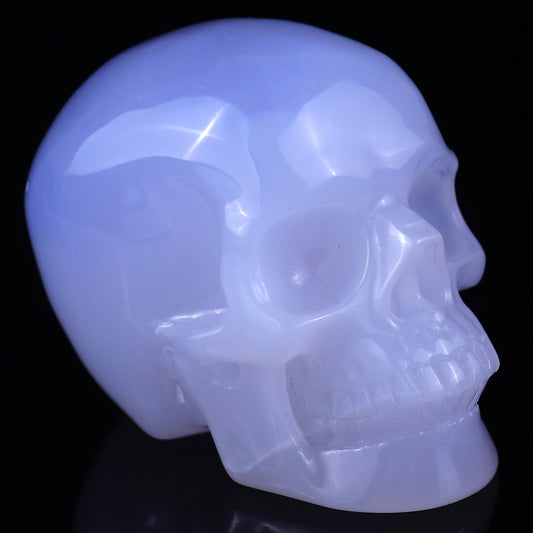
2.2" Blue Chalcedony Hand Carved Crystal Realistic Skull
Regular price $42.46 USDRegular priceUnit price per -
2.2" Sakura Agate Hand Carved Realistic Skull | No.020
Regular price From $33.96 USDRegular priceUnit price per -
2.2" Sakura AgateHand Carved Crystal Realistic Skull
Regular price $33.96 USDRegular priceUnit price per -
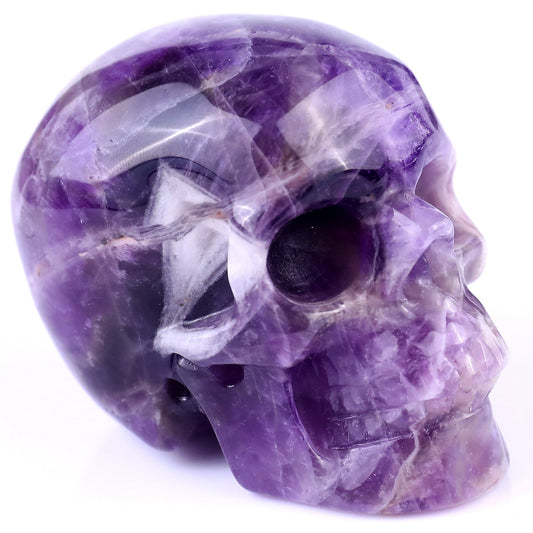
3.0" Dream Amethyst Hand Carved Realistic Skull | No.030
Regular price From $59.46 USDRegular priceUnit price per -
2.2" Grey Picture Jasper Hand Carved Realistic Skull
Regular price $25.46 USDRegular priceUnit price per -
2.2" Sodalite Hand Carved Crystal Realistic Skull | No.036
Regular price $33.96 USDRegular priceUnit price per -
2.2" Tiger Iron Hand Carved Realistic Skull
Regular price $33.96 USDRegular priceUnit price per






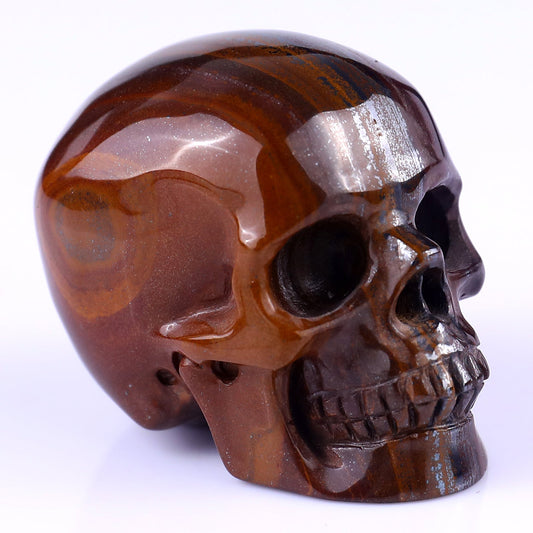
What Makes a Skull Carving Realistic?
A realistic skull follows human anatomy rather than simplifying it: the depth of the orbits, the ridge where temple meets cheekbone, the individual teeth and the way the jaw seats against the cranium. Everything in this collection is cut that way, from 2.2 inches to 15.3 inches. Which size and stone suit you depends on what the piece is for — what crystal skulls are used for walks through the four common answers.
It is the hardest subject in stone carving, for one reason — everyone already knows what a skull looks like. Nobody can tell you whether a carved dragon is proportioned correctly, but a human skull that is two degrees wrong at the cheekbone reads as wrong immediately, even to someone who could not say why.
That is why the price gap between realistic and stylised work is so wide, and why comparing two listings usually comes down to two places: the orbits and the teeth. Those are where the hours go, and where a rushed piece gives itself away.
Choosing a Realistic Skull
What to compare between two listings.
What should I look at in the photographs?
The orbits first — whether they have real depth or read as shallow dishes, and whether the upper edge is a crisp ridge rather than a rounded approximation. Then the teeth: individually cut, or a scored line standing in for them. Then the back of the skull, which is where a carver working quickly stops paying attention because most photographs never show it.
Why do prices vary so much for the same size?
Carving hours, mostly. A 3 inch realistic skull with fully cut teeth and properly hollowed orbits can take several times longer than one that simplifies both, and the stone is the smaller part of the cost. Material matters too — harder and more fractured stone takes longer and wastes more — but between two pieces of the same size the difference is usually the carving, not the rock. Prices here run from $14 to about $2,930 with a median near $67.
Which stone should I choose?
Opaque stones like red jasper and nine dragon jade throw the anatomy into relief, because nothing passes through them and the eye reads the modelling directly. Translucent stones like blue chalcedony and rose quartz let light into the form, which softens the detail but gives depth that opaque stone cannot. Howlite, being white and softly veined, reads closest to bone.
What size do most people buy?
The median here is 3 inches, which sits on a desk and shows the anatomy clearly. Below 2.5 inches the teeth necessarily get simplified — there is not enough material to cut them individually. Between 4 and 7 inches the piece becomes a room's focal point, and above that you are into furniture-scale work that needs planning for.
Is a realistic skull anatomically accurate?
Close, but not to a medical standard. These are carved by eye and by practised hand rather than measured from a reference specimen, so proportions vary a little between pieces and between carvers. What you are buying is a convincing skull, not a teaching model. The variation is usually what makes an individual piece worth having.
How do I clean and care for one?
Dust with a soft dry cloth and use a soft brush for the teeth and orbits, where dust collects and is hardest to reach. If it needs more, wipe with a barely damp cloth and dry it straight away rather than leaving it to sit — some porous stones take up water. Keep coloured quartz out of prolonged direct sunlight, which can fade it over months.
Are these the same as the famous museum crystal skulls?
No. The skulls in the British Museum, the Smithsonian and the Musée du quai Branly were long presented as pre-Columbian, but electron microscopy found rotary tool marks on all of them and the current scholarly view is that they were cut in nineteenth-century Europe. Everything here is contemporary work, carved by hand, and sold as exactly that.