-
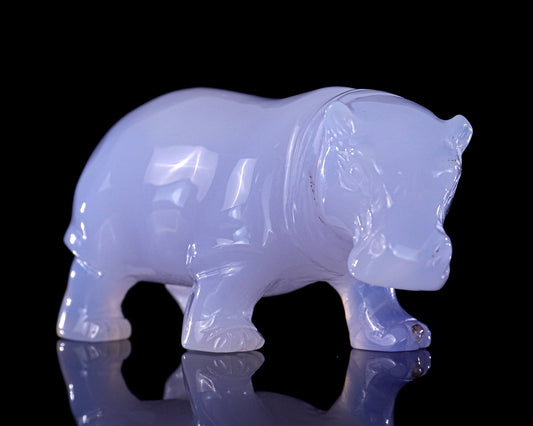
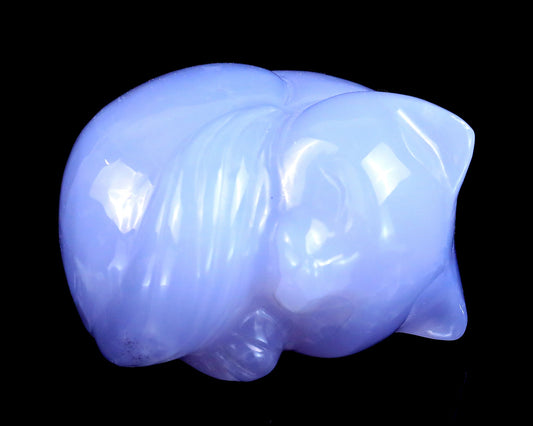
3.9" Blue Chalcedony Hand Carved Crystal Hippo
Regular price $254.15 USDRegular priceUnit price per -
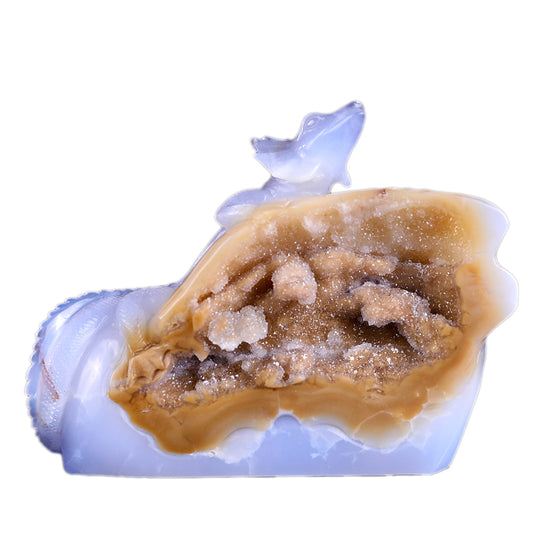
6.7" Blue Chalcedony Geode Chameleon Carving
Regular price $279.65 USDRegular priceUnit price per -
3.3" Blue Chalcedony Hand Carved Cute Baby Dragon
Regular price $59.46 USDRegular priceUnit price per -
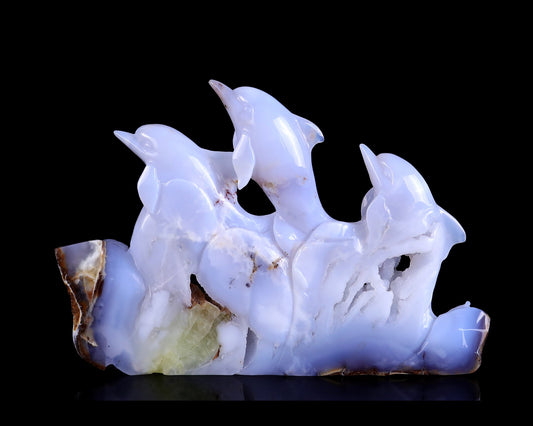
11.8" Blue Chalcedony Hand Carved Crystal Dolphins
Regular price $755.65 USDRegular priceUnit price per -
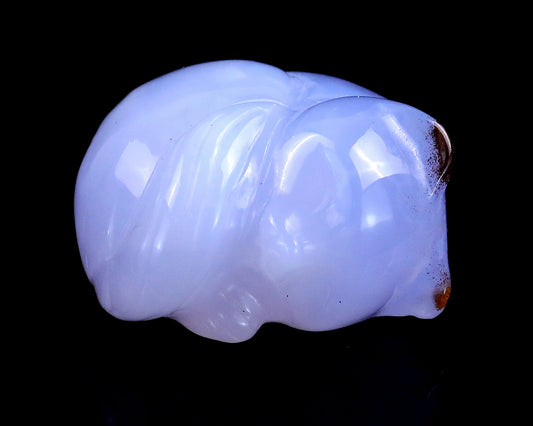
1.6" Blue Chalcedony Hand Carved Sleepy Cat
Regular price $42.46 USDRegular priceUnit price per -
2.5" Blue Chalcedony Hand Carved Crystal Sleepy Cat
Regular price $84.96 USDRegular priceUnit price per -
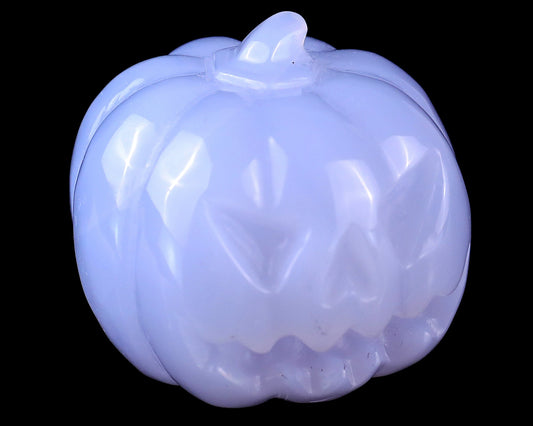
1.7" Natural Blue Chalcedony Hand Carved Crystal Pumpkin, Halloween Gift
Regular price $33.96 USDRegular priceUnit price per -
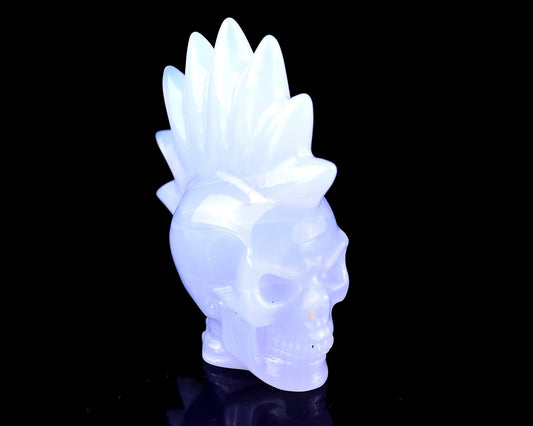
2.7" Blue Chalcedony Hand Carved Punk Skull
Regular price $59.46 USDRegular priceUnit price per -
3.0" Blue Chalcedony Hand Carved Crystal Ghost
Regular price $84.96 USDRegular priceUnit price per -
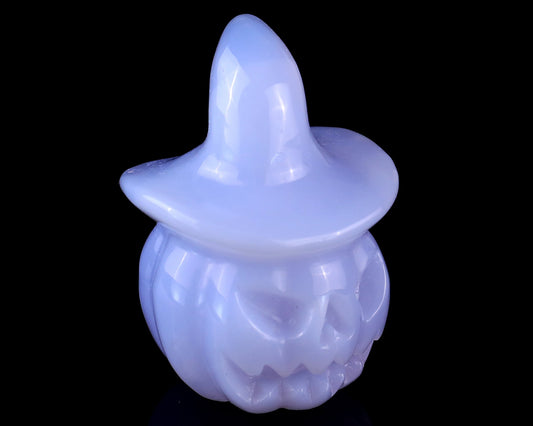
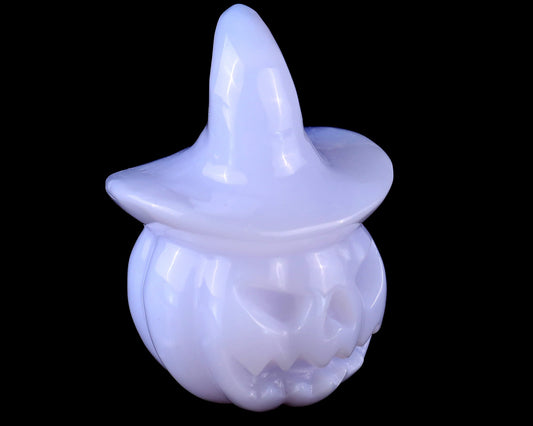
2.2" Blue Chalcedony Hand Carved Wizard Pumpkin
Regular price $59.46 USDRegular priceUnit price per -
3.3" Blue Chalcedony Hand Carved Wizard Pumpkin
Regular price $92.65 USDRegular priceUnit price per -
1.7" Blue Chalcedony Hand Carved Crystal Pumpkin
Regular price $50.96 USDRegular priceUnit price per -
2.6" Blue Chalcedony Hand Carved Crystal Pumpkin
Regular price $109.65 USDRegular priceUnit price per -
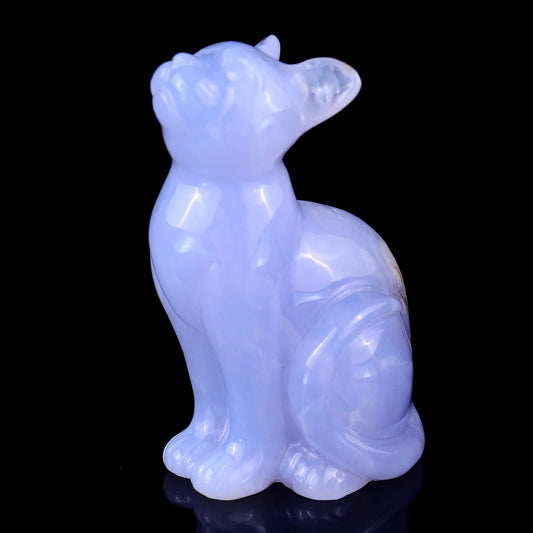
3.0" Blue Chalcedony Hand Carved Crystal Cat
Regular price $50.96 USDRegular priceUnit price per -
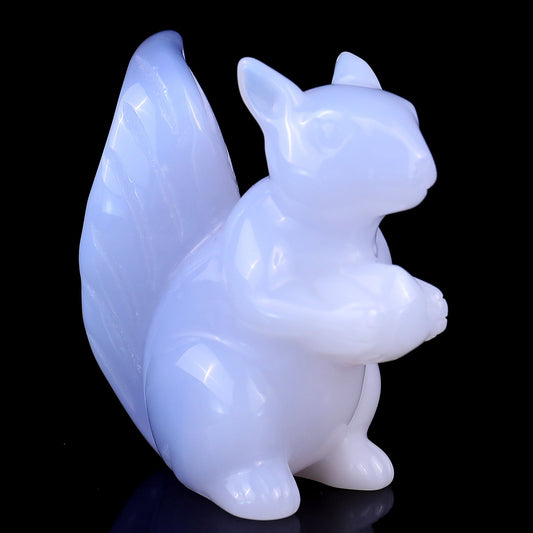
2.9" Blue Chalcedony Hand Carved Crystal Squirrel
Regular price $76.46 USDRegular priceUnit price per -
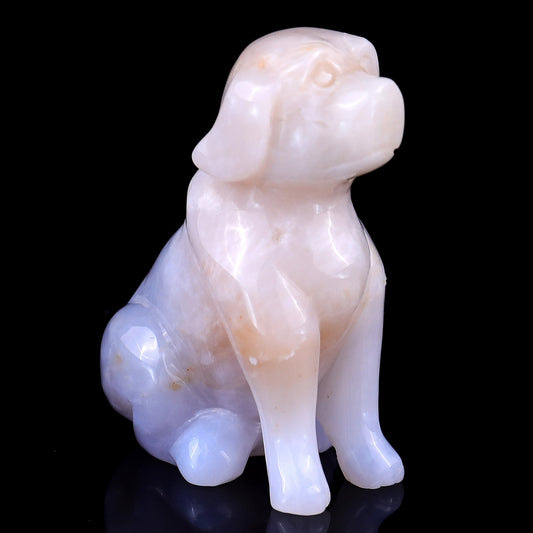
3.1" Blue Chalcedony Hand Carved Crystal Dog
Regular price $84.96 USDRegular priceUnit price per -
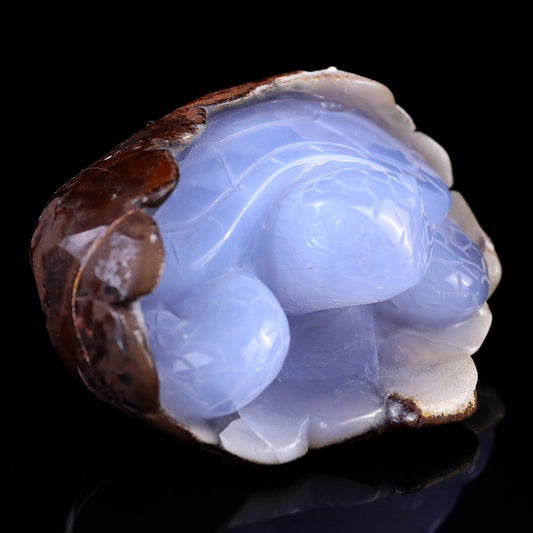
3.3" Blue Chalcedony Hand Carved Crystal Turtle
Regular price $237.15 USDRegular priceUnit price per -
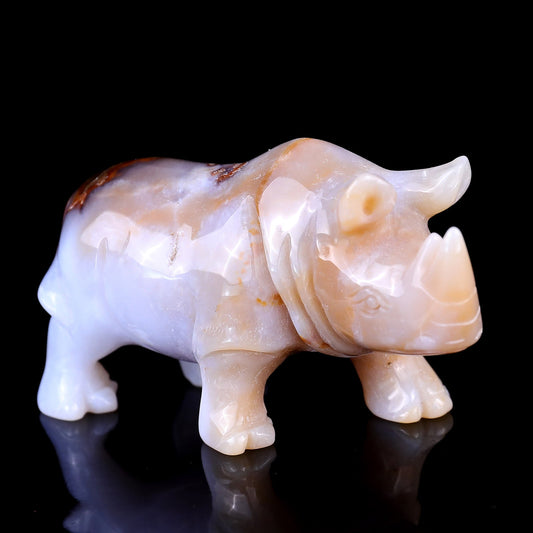
4.1" Blue Chalcedony Hand Carved Rhinoceros
Regular price $118.15 USDRegular priceUnit price per -
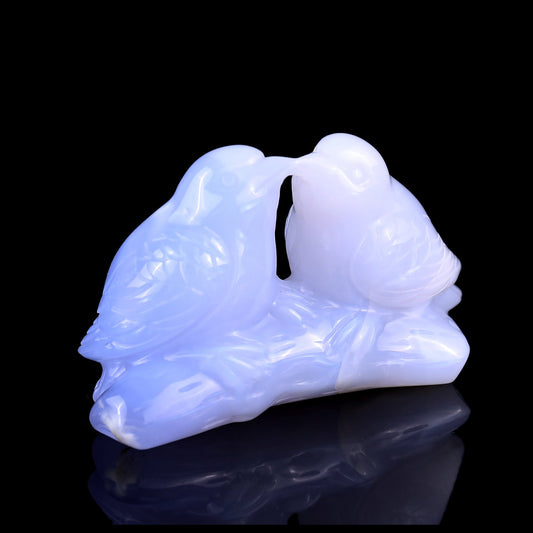
4.0" Blue Chalcedony Hand Carved Crystal Birds
Regular price $101.15 USDRegular priceUnit price per -
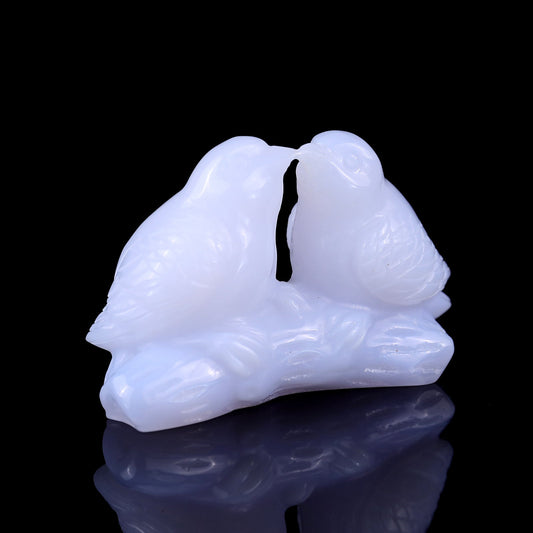
3.9" Blue Chalcedony Hand Carved Crystal Birds
Regular price $101.15 USDRegular priceUnit price per




What Is Blue Chalcedony?
Blue chalcedony is quartz grown so finely that no individual crystal is visible even under magnification. That structure is what gives it a waxy rather than glassy lustre, and why light travels a few millimetres into the surface before it stops — the pale blue looks deeper wherever the stone is thickest.
It takes its name from Chalcedon, a port on the Bosphorus that traded it into the ancient Mediterranean. Because it cuts without splintering and holds fine detail, it became the working stone of the ancient world: seals, signet rings, intaglios. The blue variety was the one kept back rather than sold on.
This collection holds 138 pieces from 1.5 to 11.8 inches — skulls, animal carvings, towers, palm stones and functional ware — with the median around 3.9 inches and $88.
Buying Blue Chalcedony
How to judge a piece, and what to avoid.
How do I tell natural blue chalcedony from dyed agate?
Dyed material tends to be evenly, insistently blue, with colour that concentrates along cracks and pore lines where the dye entered. Natural blue chalcedony is uneven in a different way: the colour follows the thickness of the stone rather than its fractures, so it deepens through the solid parts and thins toward edges. Held against a lamp, natural material glows at the edges; heavily dyed material tends to stay flat.
Why does the same stone look different in different photographs?
Because it is translucent, blue chalcedony changes considerably with the light behind it. A piece shot against a window will read pale and luminous; the same piece under flat overhead light reads grey-blue and denser. Neither is wrong. It is worth looking at several images of the same carving before deciding what colour you think it is.
What is it traditionally associated with?
Blue chalcedony is traditionally associated with the throat and with speech — the Roman writers describe orators carrying a piece of it. The association is with steadying what is said under pressure rather than with making anyone more talkative, and, unusually among speech stones, it is also credited with supporting the listening half of a conversation.
Which forms suit this stone best?
Translucency is the whole point of the material, so forms that let light through it show it best: towers, spheres, palm stones and thinner passages of a carving. Dense opaque subjects hide what makes the stone worth having. In this collection the skulls (24 pieces) and the towers are where the translucency reads most clearly.
Is blue chalcedony hard enough for daily handling?
Yes. It is quartz, around 7 on the Mohs scale, so it resists scratching from most household surfaces and takes handling well — one reason it was used for seals that were pressed into wax thousands of times. It is still brittle, though: hard is not the same as tough, and a fall onto tile will chip it.
How do I care for it?
Dust with a soft dry cloth. A barely damp cloth is fine for more, but dry it straight away rather than leaving it wet. Blue chalcedony is stable in light and will not fade the way amethyst and rose quartz can, so a windowsill is safe. Avoid ultrasonic cleaners, which can propagate any internal fracture the stone already carries.
What should I expect to pay?
In this collection prices run from $8 for the smallest palm stones to around $1,259 for the largest carvings, with the median close to $88. Translucency and evenness of colour drive price as much as size does — a small piece with clean, deep blue can cost more than a larger cloudy one.