-
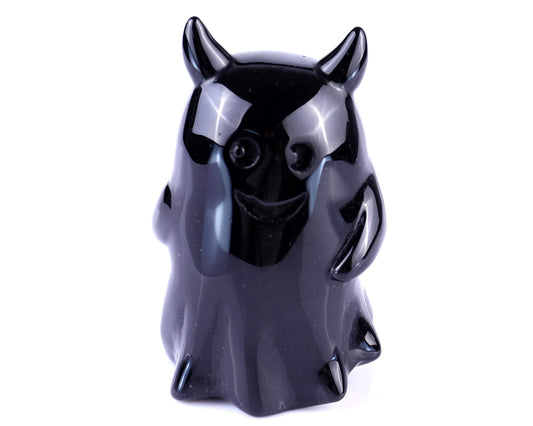
3.0" Black Obsidian Hand Carved Crystal Ghost
Regular price $84.96 USDRegular priceUnit price per -
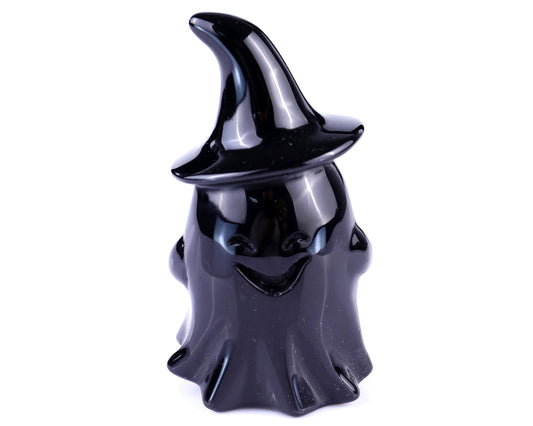
3.5" Black Obsidian Hand Carved Crystal Ghost
Regular price $84.96 USDRegular priceUnit price per -
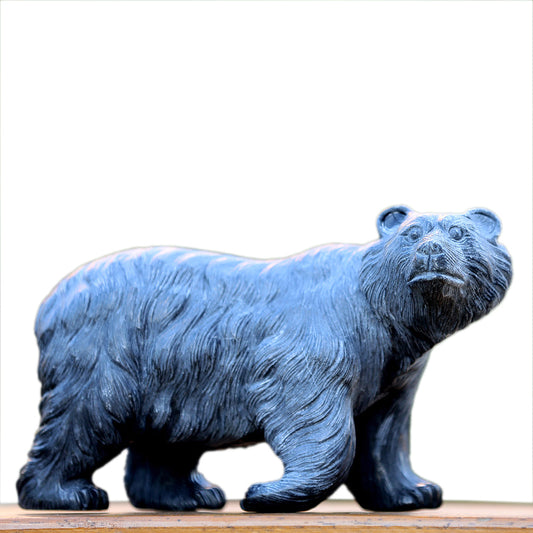
8.7" Textured Black Obsidian Polar Bear Carving
Regular price $551.65 USDRegular priceUnit price per -
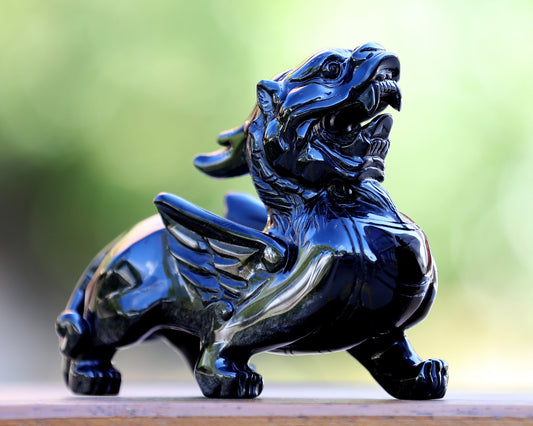
6.2" Black Obsidian Hand Carved Crystal Kylin
Regular price $169.15 USDRegular priceUnit price per -
2.9" Natural Black Obsidian Hand Carved Crystal Ghost, Halloween Gift
Regular price $50.96 USDRegular priceUnit price per -
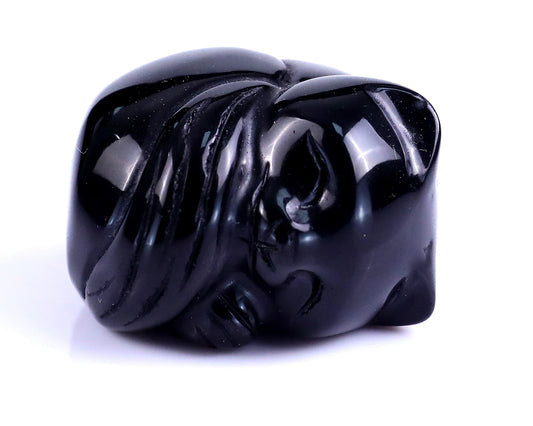
1.6" Black Obsidian Hand Carved Crystal Sleepy Cat
Regular price $25.46 USDRegular priceUnit price per -
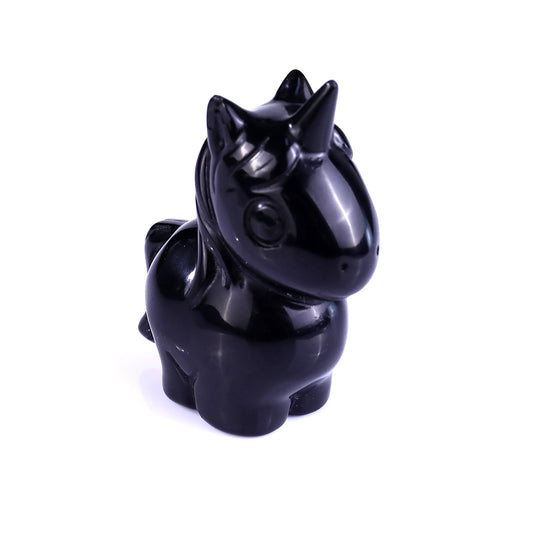
2.8" Black Obsidian Hand Carved Crystal Unicorn
Regular price $33.96 USDRegular priceUnit price per -
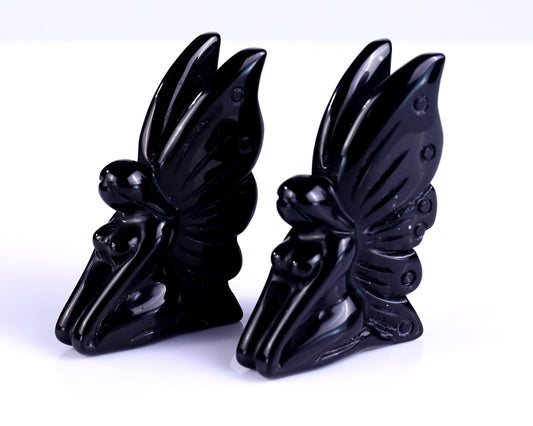
3.0" Black Obsidian Hand Carved Flower Faerie
Regular price $33.96 USDRegular priceUnit price per -
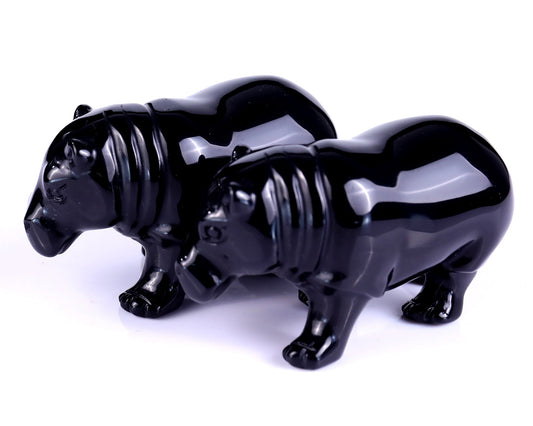
3.9" Black Obsidian Hand Carved Crystal Hippo
Regular price $101.15 USDRegular priceUnit price per -
5.1" Black Obsidian Hand Carved Crystal Lizard
Regular price $76.46 USDRegular priceUnit price per -
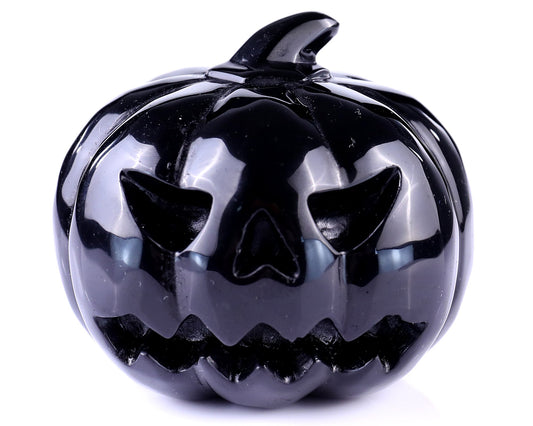
2.6" Black Obsidian Hand Carved Crystal Pumpkin
Regular price $82.48 USDRegular priceUnit price per -
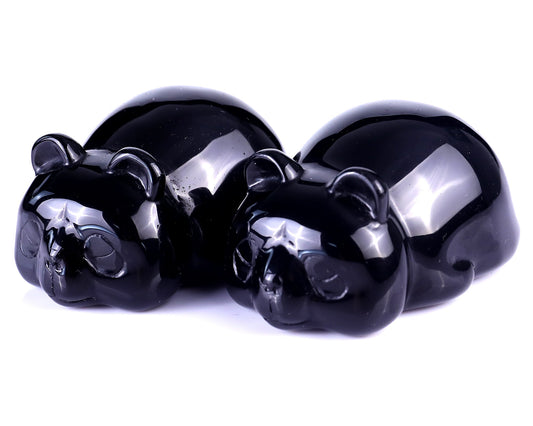
Natural Black Obsidian Hand Carved Crystal Panda
Regular price $33.96 USDRegular priceUnit price per -
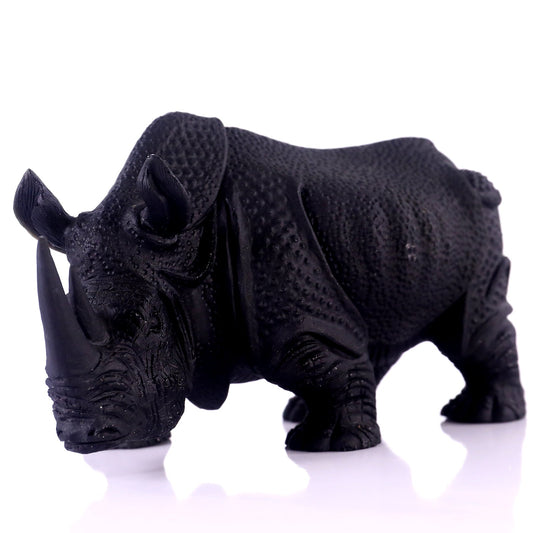
8.3" Black Obsidian Hand Carved Crystal Rhinoceros
Regular price $500.65 USDRegular priceUnit price per -
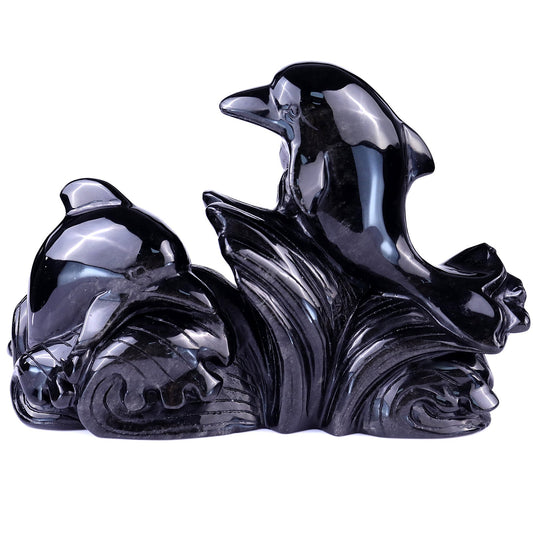
8.5" Black Obsidian Hand Carved Crystal Dolphins
Regular price $339.15 USDRegular priceUnit price per -
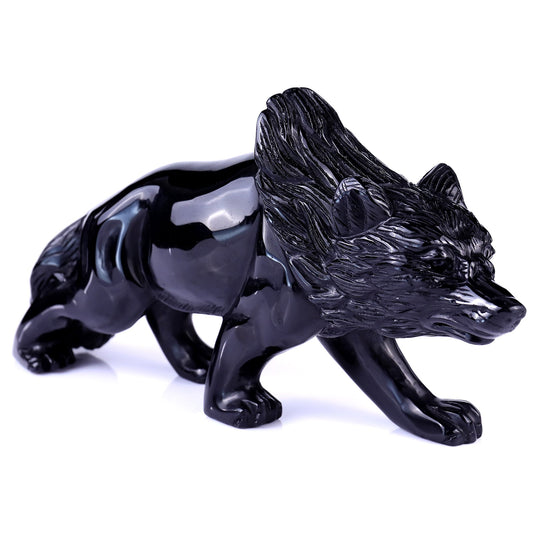
5.9" Black Obsidian Hand Carved Crystal Wolf
Regular price $458.15 USDRegular priceUnit price per -
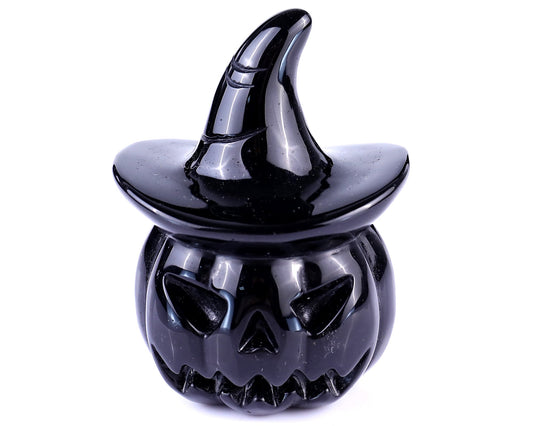
3.1" Black Obsidian Hand Carved Crystal Pumpkin Wizard
Regular price $92.65 USDRegular priceUnit price per


Buying Black Obsidian Carvings
Obsidian is not a crystal. It is volcanic glass — lava that met air or water and cooled too fast for any lattice to form. Having no internal structure, it polishes to a flat true black and breaks along the curved conchoidal edge that made it the sharpest cutting material of the ancient world.
This collection holds 38 pieces from 1.2 to 15.3 inches, spread across animal carvings (12), other forms (10) and skulls (9), median around 3.9 inches and $89.
What to Check
Before comparing two listings.
How do I tell obsidian from black glass?
On a photograph it is genuinely difficult, because obsidian is glass. Look for conchoidal fracture — curved, shell-like breakage — on any unpolished passage, and for the slight brown or green translucency at thin edges that manufactured glass usually lacks. Weight is not a reliable test. Buying from someone who names the material plainly matters more here than with most stones.
Does obsidian chip easily?
More readily than quartz, and the chips are sharp. Glass has no grain to arrest a crack, so an impact that would leave a jasper carving with a scuff can take a flake out of obsidian. Protruding features — ears, horns, fingers — are where it happens. Place it where it will not be knocked.
Why are some pieces textured rather than mirror-polished?
Because the carver chose it. A fully polished obsidian surface mirrors its surroundings, which flattens the form and makes photographs difficult. Leaving passages textured breaks up the reflection so the modelling reads. Textured work is not unfinished work.
Is snowflake obsidian the same thing?
No, and this collection does not include it. Snowflake obsidian carries grey cristobalite inclusions that read as pale flecks. Same volcanic glass, different mineral content, listed separately so neither gets mislabelled.
Which forms suit obsidian best?
Anything where silhouette does the work. With no translucency, obsidian gives the eye nothing to look into, so the outline and the way light rakes across the surface carry the piece. Skulls and animals with strong profiles work; forms relying on internal pattern do not.
What should I expect to pay?
From under a dollar to around $1,331, median near $89. Obsidian is not rare, so price tracks carving hours and size directly rather than material quality — which makes this one of the easier categories in which to judge whether you are paying for the work.
How do I care for it?
Dust with a soft dry cloth. Obsidian does not fade, does not absorb water and is unaffected by sunlight, so it is among the least demanding materials here. The only concern is impact. Keep it clear of harder stones, since quartz will scratch it.