-
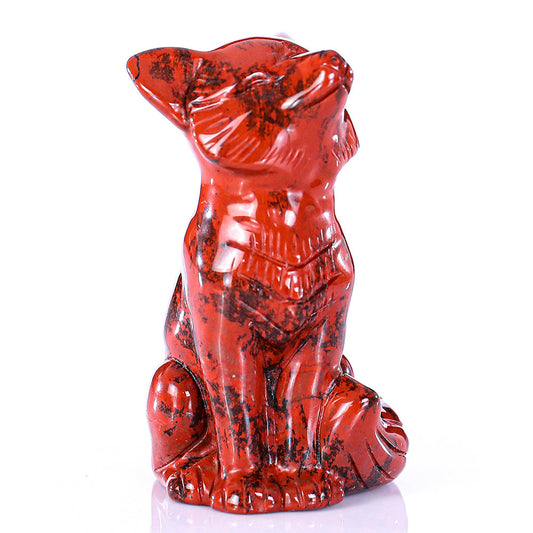
1.4" Red Jasper Fox Carving
Precio habitual $44.29 USDPrecio habitualPrecio unitario por -
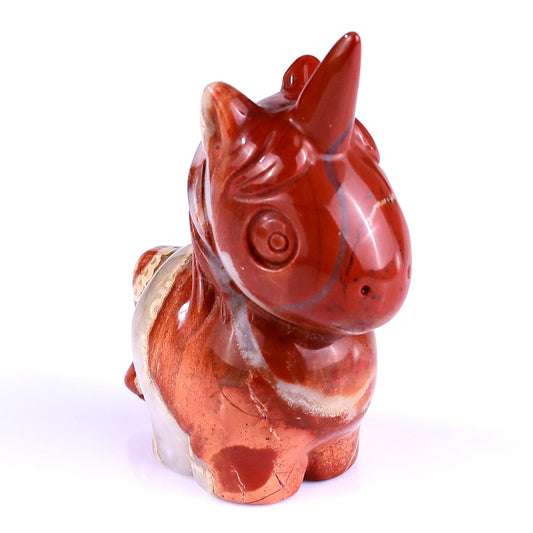
2.8" Red Jasper Hand Carved Crystal Unicorn
Precio habitual $33.96 USDPrecio habitualPrecio unitario por -
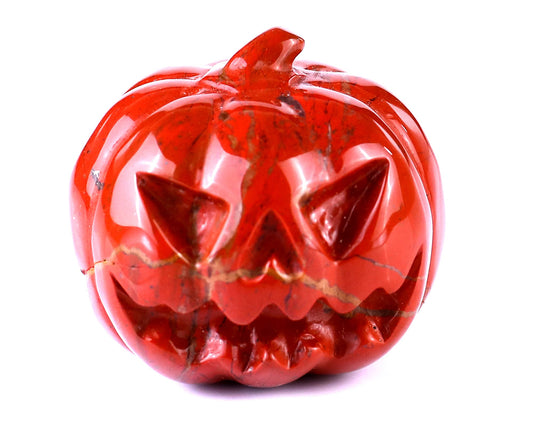
2.6" Red Jasper Hand Carved Crystal Pumpkin
Precio habitual $42.46 USDPrecio habitualPrecio unitario por -
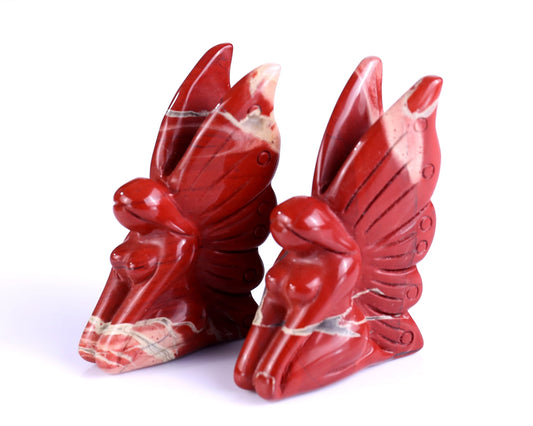
3.0" Red Jasper Hand Carved Crystal Flower Faerie
Precio habitual $42.46 USDPrecio habitualPrecio unitario por -
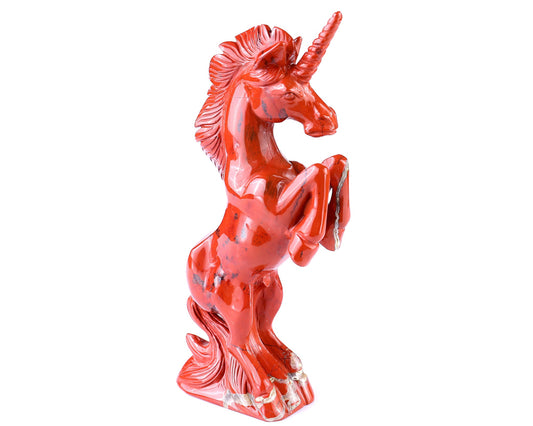
6.6" Red Jasper Hand Carved Crystal Unicorn
Precio habitual $313.65 USDPrecio habitualPrecio unitario por -
2.8" Natural Red Jasper Hand Carved Crystal Wizard Ghost, Halloween Gift
Precio habitual $67.96 USDPrecio habitualPrecio unitario por -
2.2" Red Jasper Hand Carved Crystal Pumpkin
Precio habitual $42.46 USDPrecio habitualPrecio unitario por


Buying Red Jasper Carvings
Red jasper is opaque microcrystalline quartz stained brick red by hematite dispersed throughout. Nothing passes through it — no translucency, no inner light — which is precisely why carvers reach for it when a form has to read as solid.
This collection holds 42 pieces from 1.2 to 11.4 inches, weighted toward animal carvings (18) and skulls (10), median around 3 inches and $79. It is among the more affordable materials in the shop.
What to Check
Before comparing two listings.
Is red jasper ever dyed?
Some inexpensive red material sold as jasper is dyed magnesite or howlite, both much softer stones. The tell is colour distribution: natural red jasper is a dense, slightly variable brick red throughout, while dyed white stone shows colour concentrated along veining that was there before. On a photograph, look at the veins.
Why does red jasper show carving detail so well?
Because it is completely opaque. In a translucent stone light enters the surface and scatters, which softens edges; in jasper the eye reads the modelling directly, so a crisp cut stays crisp. That makes it forgiving for detailed work and unforgiving for careless work — there is nowhere for a rough passage to hide.
How is it different from other red stones?
Red jasper is opaque with an even body colour. Carnelian is translucent orange-red. Red agate is banded. Dragon blood jasper is green flecked with red. If a listing photograph shows light coming through the stone at thin edges, it is not red jasper.
Which forms suit it best?
Animals and skulls, which is what this collection mostly holds. Opacity suits subjects judged on silhouette and surface modelling, and it takes a harder polish than most jaspers, so pieces read sharp rather than soft.
Does it fade or stain?
No. Red jasper is stable in light — unlike amethyst and rose quartz, a windowsill is safe — and being non-porous it does not take up water or oils from handling. It is one of the most durable materials here in ordinary use.
What should I expect to pay?
From under a dollar to around $568, median near $79. Red jasper is common, so price is almost entirely a function of size and carving hours rather than material. That makes it a good category for judging a carver's work: two pieces of the same size at very different prices differ in the cutting.
How do I care for it?
Dust with a soft dry cloth; a damp cloth is fine and it can dry at leisure. No sunlight precautions and no absorption concerns. Like all stone it is brittle, so the only real risk is dropping it.