-
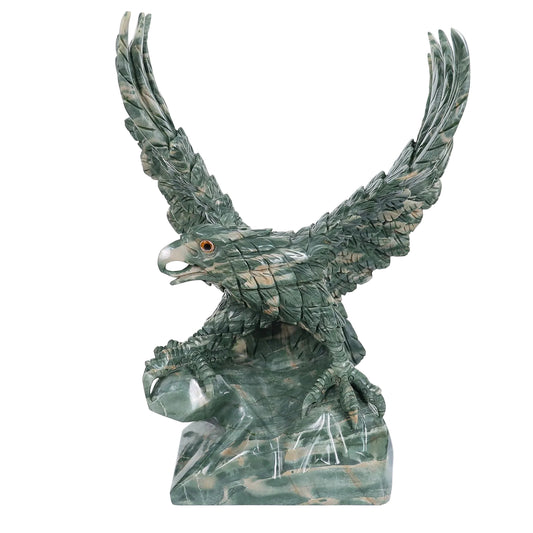
16.5" Nine Dragon Jade Hand Carved Crystal Eagle
Precio habitual $1,240.15 USDPrecio habitualPrecio unitario por -
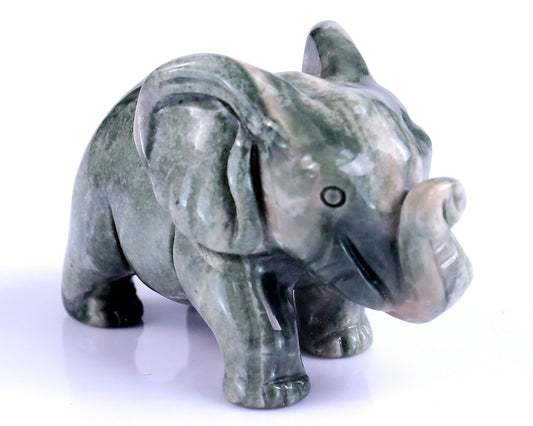
2.4" Nine Dragon Jade Hand Carved Crystal Elephant
Precio habitual $41.09 USDPrecio habitualPrecio unitario por -
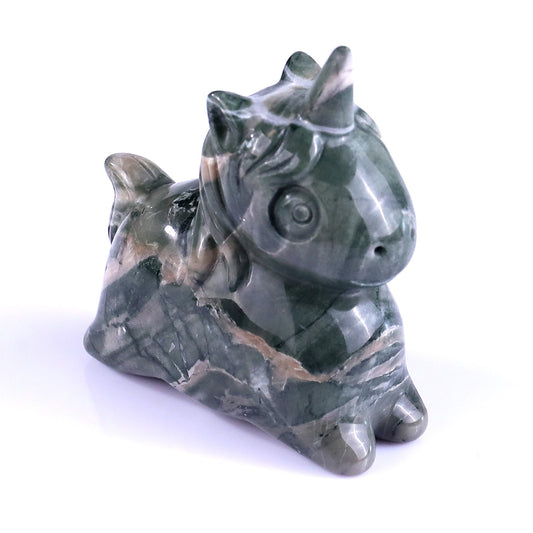
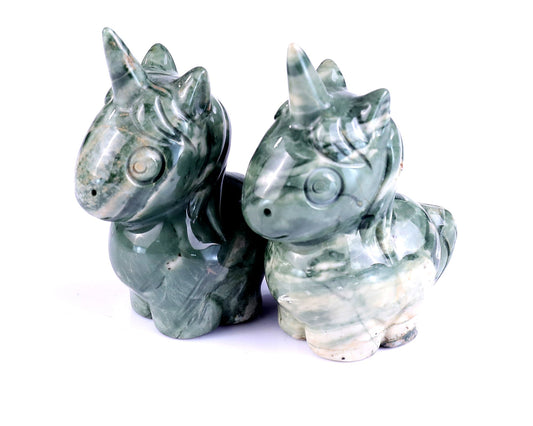
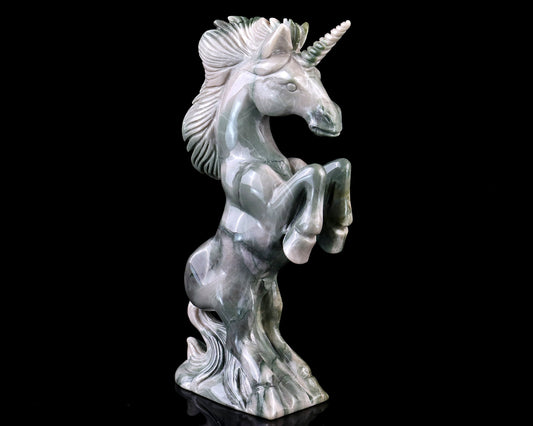
2.7" Nine Dragon Jade Hand Carved Crystal Unicorn
Precio habitual $33.96 USDPrecio habitualPrecio unitario por -
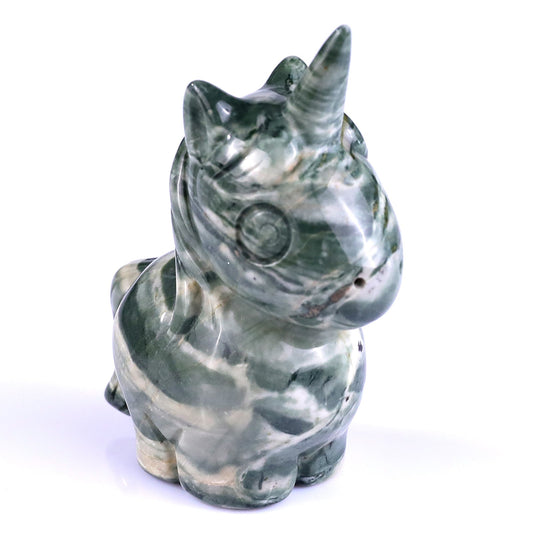
2.8" Nine Dragon Jade Hand Carved Crystal Unicorn
Precio habitual $33.96 USDPrecio habitualPrecio unitario por -
3.0" Nine Dragon Jade Hand Carved Crystal Unicorn
Precio habitual $50.96 USDPrecio habitualPrecio unitario por -
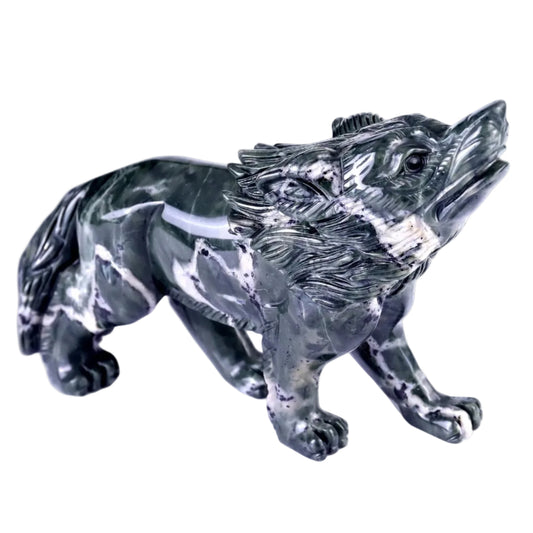
8.7" Nine Dragon Jade Hand Carved Crystal Wolf
Precio habitual $330.65 USDPrecio habitualPrecio unitario por -
2.8" Nine Dragon Jade Hand Carved Crystal Bearded Elf
Precio habitual $42.46 USDPrecio habitualPrecio unitario por -
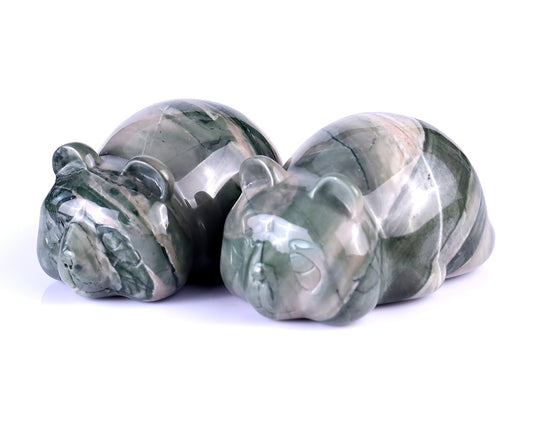
Natural Nine Dragon Jade Hand Carved Crystal Panda
Precio habitual $33.96 USDPrecio habitualPrecio unitario por -
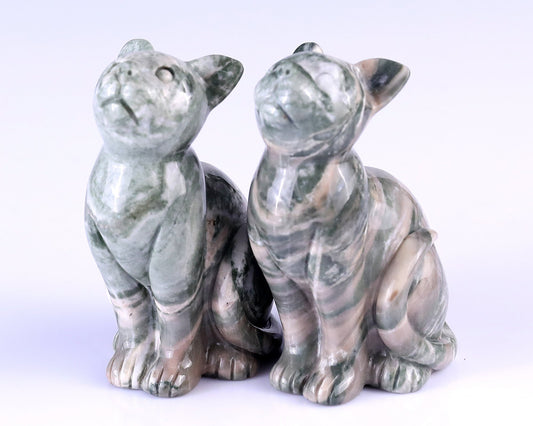
3.0" Nine Dragon Jade Hand Carved Crystal Cat
Precio habitual $50.96 USDPrecio habitualPrecio unitario por -
6.5" Nine Dragon Jade Hand Carved Crystal Unicorn
Precio habitual $279.65 USDPrecio habitualPrecio unitario por -
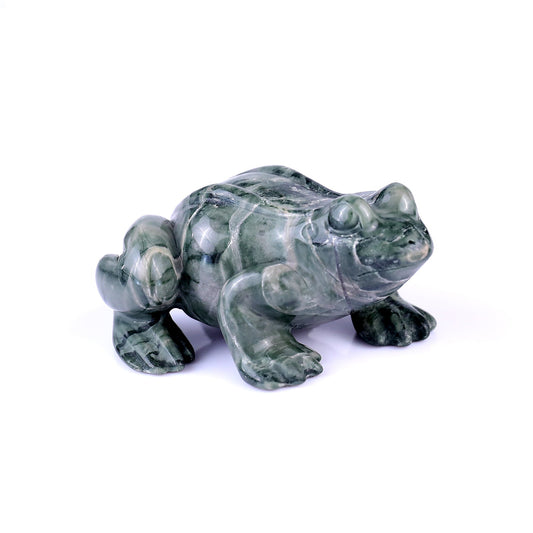
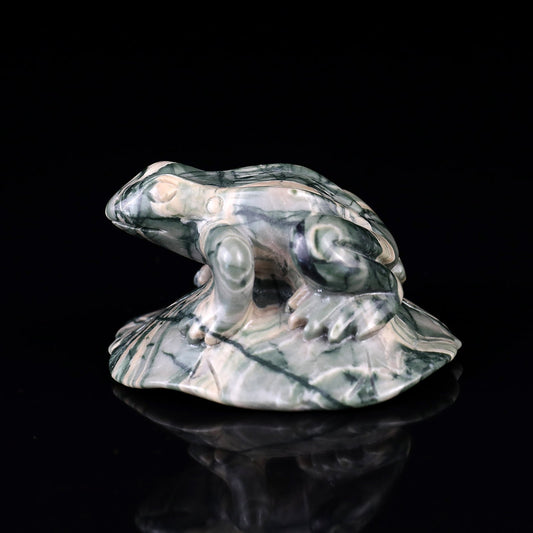
2.8" Nine Dragon Jade Hand Carved Crystal Frog
Precio habitual $76.46 USDPrecio habitualPrecio unitario por -
2.6" Nine Dragon Jade Hand Carved Crystal Frog
Precio habitual $76.46 USDPrecio habitualPrecio unitario por -
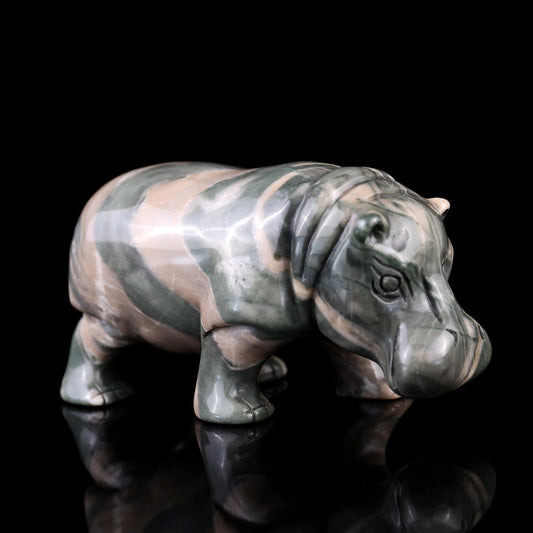
4.1" Nine Dragon Jade Hand Carved Crystal Hippo | No.076
Precio habitual $84.96 USDPrecio habitualPrecio unitario por

Buying Nine Dragon Jade Carvings
Nine Dragon Jade is a trade name rather than a mineral species. The stone is a dense silicate marbled in green, cream and rust, and it earns the jade label through toughness and the depth of polish it accepts rather than through chemistry. It is not nephrite and it is not jadeite. We would rather say so than let the name imply otherwise.
What it is, is an excellent carving stone: tough enough to hold thin detail, patterned right through the block, and available at sizes jadeite never reaches affordably. This collection holds 50 pieces from 1.5 to 16.5 inches — the largest carvings in the shop are cut from it — median around 4.1 inches and $79.
What to Check
Before comparing two listings.
Is this real jade?
Not in the strict sense. Real jade means nephrite or jadeite, and this is neither. In the stone trade "jade" has long been applied to any tough, polishable green stone, which is how names like nine dragon jade, new jade and ivory jade came about. If you are buying for the mineral, this is not it. If you want a large, well-carved, durable green stone object, it is very good at being that.
Why is it also called Kowloon Jade or Jiulong Jade?
Three names for one Chinese term — 九龙玉, nine dragons. Kowloon and Jiulong are both romanisations. We standardised on Nine Dragon Jade across the shop so the same material does not appear under three labels, but you will see all three used elsewhere.
How do I judge quality within the material?
Look for depth and movement in the marbling rather than even colour — flat, uniformly green pieces are usually the least interesting. Check the polish in the recessed passages, where a rushed finish shows. And look closely at the largest carvings: above 12 inches the block's own flaws start to matter, and a good carver will have worked around them.
Why are the biggest carvings in this material?
Because it comes in large sound blocks and costs a fraction of what real jade does at the same size. If you want a substantial carved stone object rather than a precious one, this is where the value is.
Which forms suit it best?
Animals dominate this collection — 25 of 50 — and the material suits them: the marbling reads as hide, fur, or hide-and-shadow depending on the subject. Figure carvings work for the same reason. Skulls are less common in it, since the pattern competes with the anatomy.
What should I expect to pay?
From $6 to around $1,799, median near $79. The spread is wide because the size range is: this is the material where a 16 inch carving is affordable. Price tracks size and carving hours more than material grade.
How do I care for it?
Dust with a soft dry cloth and use a barely damp cloth for more. It is stable in light and does not fade. It is softer than quartz, so keep it clear of harder stones, and the large pieces are heavy enough that where you put them is a structural question as much as an aesthetic one.